ServicesRoof Replacement
Roof Replacement in Middleburg, Built to Be Easy to Keep Up
When a roof is past patching, we strip it to the deck, fix the bad wood underneath and put down a new roof you can look after for decades. We explain what failed, what we'll use and why, so your new roof starts with a plan for its care.
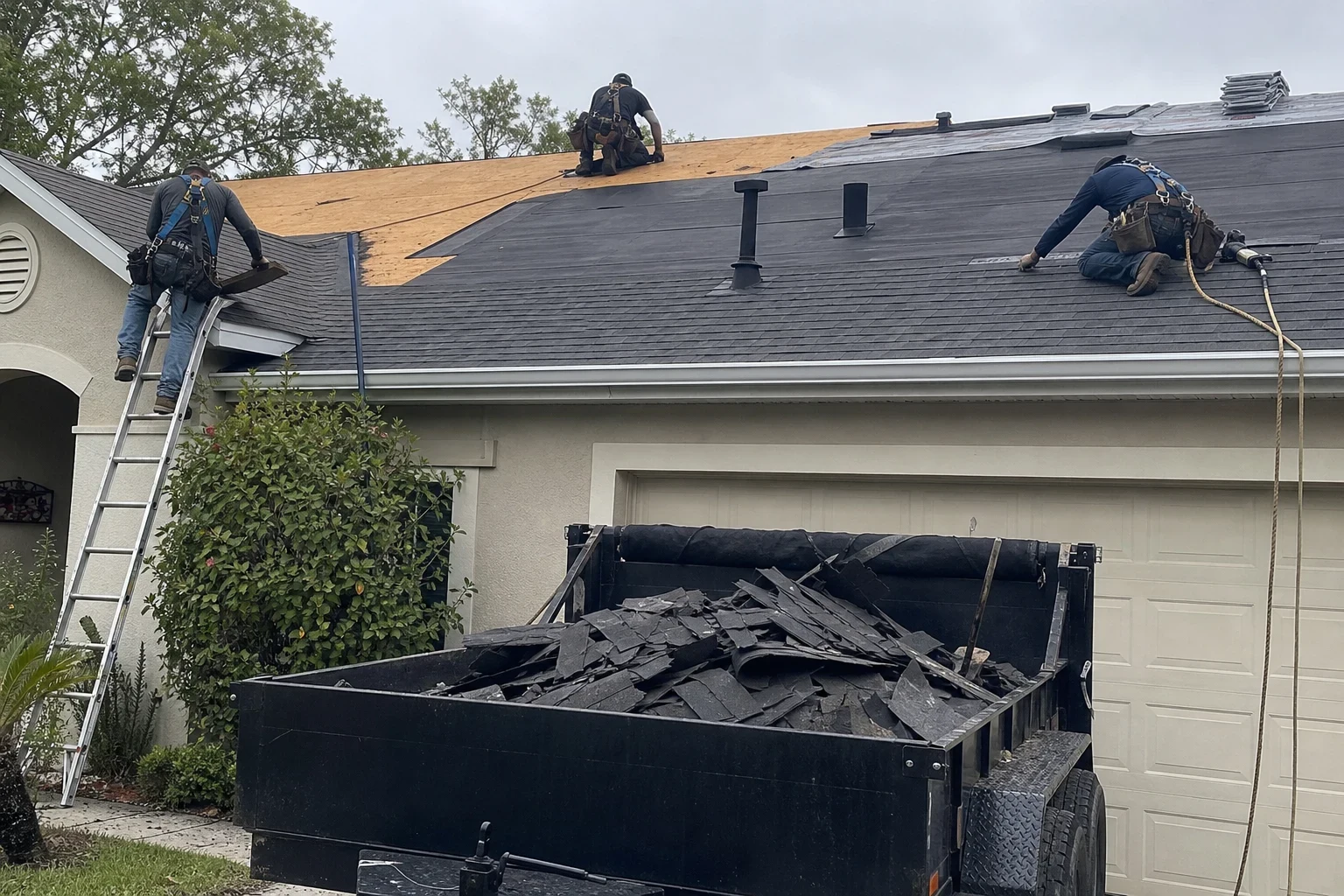
The point where patching stops paying off
Plenty of the roofs we climb don't need to come off. A few loose shingles or a cracked pipe boot is a roof repair job, and we'll say so. Replacement is the right call when the shingles are worn out across the whole roof, when leaks keep showing up in new places, or when the deck under them has gone soft.
Long, hot summers and heavy afternoon rain wear shingles down faster than most people expect. So we build the new roof to handle it: full underlayment, new flashing and attic venting that lets the heat out.
We see a new roof as the start of its upkeep, not the end of the job. You get a short list of what to watch and when to have it checked. That way the roof you pay for once gets its full life.
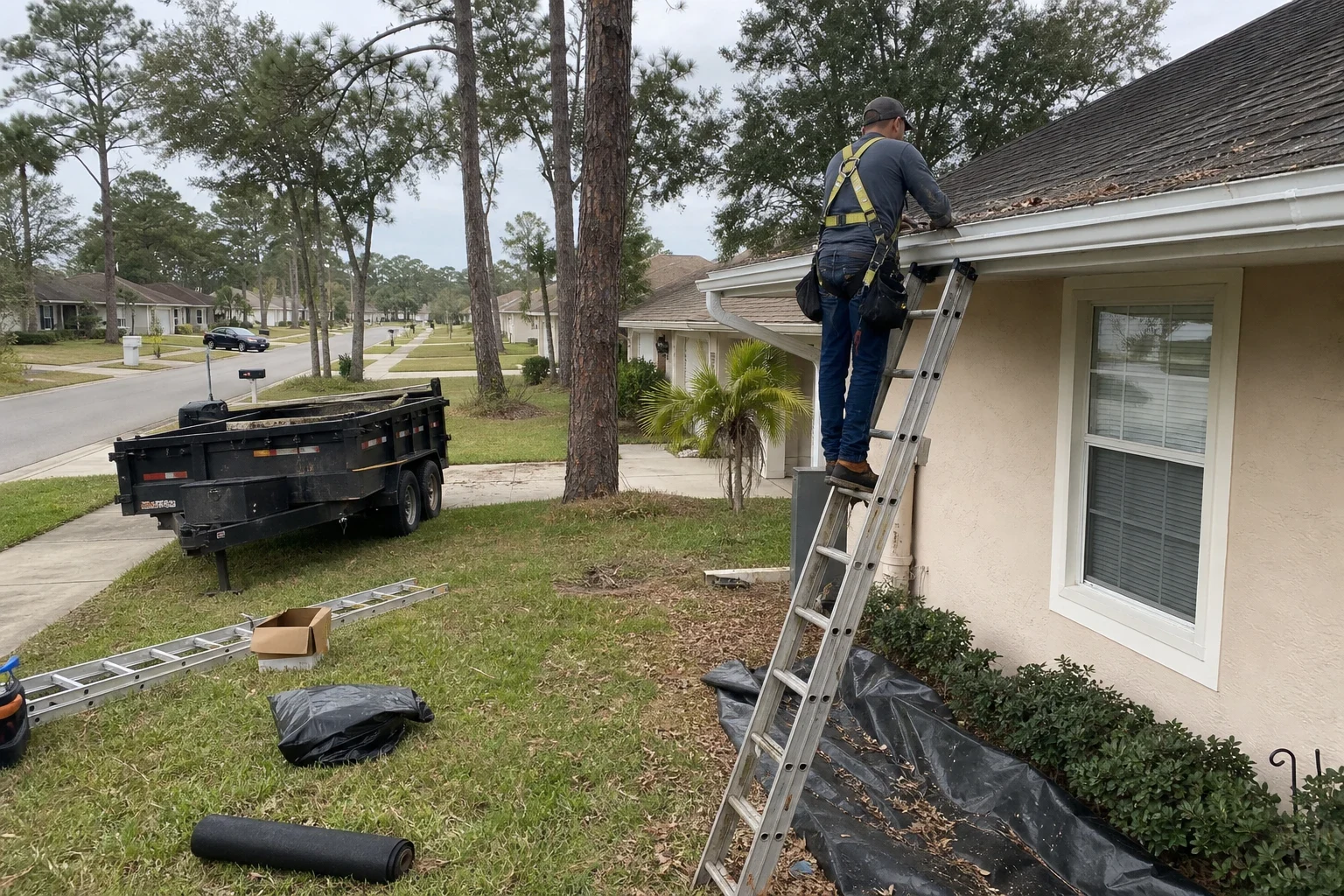
What a roof replacement with us includes
- 01
Tear-off down to the deck
We remove the old shingles and underlayment all the way to the wood. Laying new shingles over old ones hides problems and holds heat, so we don't do it.
- 02
Deck check and repair
Once the deck is bare, we walk it and mark soft or delaminated sheets. We cut out and swap any bad wood while the deck is still open. We also snap pictures of each sheet we change so you can see it for yourself.
- 03
Underlayment and drip edge
New underlayment covers the whole deck, with extra protection in valleys and around anything that pokes through the roof. Metal drip edge goes on the eaves and rakes to keep water off the fascia boards.
- 04
New flashing and pipe boots
Old flashing and rubber pipe boots are where most leaks start. We replace them instead of reusing them. A new roof is only as tight as its weakest seam.
- 05
Attic ventilation
We check your intake and exhaust vents and fix what's out of balance. A cooler attic is easier on the shingles and on your power bill.
- 06
Permit, inspection and cleanup
We pull the reroof permit and schedule the inspection. Before we leave each day, the debris gets picked up and a magnetic sweeper goes across the lawn and drive to catch stray nails.
Questions about Roof Replacement?
Call(904) 849-9795Signs your roof is ready to be replaced
Gutters full of shingle grit
A little grit after a storm is normal. Gutters packed with it, or dark bare patches on the shingles, mean the protective layer is worn away.
Curling or cracked shingles on most slopes
One bad spot is a repair. When shingles are lifting and cracking on most sides of your home, patching just chases the next leak.
Leaks that keep moving
You fix one leak and another shows up a few feet over. That usually means the underlayment is failing across the roof, not in one place.
Soft spots or a sagging line
A deck that feels spongy underfoot or a roofline that dips points to wet, weak wood. It needs attention before the next stretch of heavy rain.
Stains or daylight in the attic
Light coming through the boards, dark streaks on rafters or damp insulation all mean water has been getting in for a while.
How the job runs, start to finish
- 1
Look and estimate
We climb up, check the attic from inside and photograph what we see. The written estimate breaks the work into line items. It's free, with no obligation.
- 2
Choices and scheduling
We go over shingle and metal options and colors with you. Then we order materials, pull the permit and pick a start date with a dry forecast.
- 3
Prep and tear-off
We cover shrubs, protect the driveway and set a dumpster. Each day we strip only as much as we can dry in by evening, so no bare deck sits open after dark.
- 4
Install and inspection
Deck repairs first, then underlayment, flashing, vents and the shingles or metal panels. The building inspector checks the work before we call it done.
- 5
Walk-through and care notes
We walk the finished roof with you and hand over the photos. We also go over the simple upkeep that keeps it sound: clear gutters, trimmed branches and a look after big storms.
What sets the cost of your new roof
We price your job from a climb on the roof and a look in the attic, not a guess off a satellite photo. Size and material are the biggest pieces, but what turns up under the old shingles counts too. Each item gets its own line so you can see where the money goes, and financing is available if you'd rather spread the cost out.
- Size and pitch
- A bigger roof takes more shingles and more hours. On a steep slope the crew works in harnesses and moves carefully, so the job runs longer.
- Shingles or metal
- Architectural shingles and metal roofing cost different amounts up front and last different lengths of time. We'll compare both for your home so you can weigh today's cost against the years you get.
- Deck condition
- Nobody can see every bad sheet of plywood until the old roof is off. Your estimate spells out how replaced decking is priced, so the final bill holds no surprises.
- Old layers and access
- A second layer of old shingles takes longer to strip and haul away. Tight lots, fences and big trees can slow loading too.
- Details on the roof
- Chimneys, skylights, lots of valleys and extra vents each need their own flashing work. A simple roof costs less than a cut-up one of the same size.
Roof replacement questions we hear
How long does a roof replacement take?
Most single-family roofs take a few days once we start. Wet weather or a lot of rotten decking can stretch that out. Your estimate shows how many days we expect, and we'll phone you if a forecast pushes the start.
Will my insurance pay for a new roof?
Sometimes, if wind or hail is what ruined it. In that case our crew will work directly with your insurance adjuster on storm damage claims and walk them through the photos and measurements. The insurer decides what's covered, not us. A roof that's simply worn out from age usually isn't. Our Storm Damage Repair page explains more.
Do I need to be home during the work?
No, but we'd like to be able to reach you. Move cars out of the driveway and take pictures off inside walls, since the tear-off shakes the house a bit. Keep pets inside and away from the work area.
Should I pick metal or shingles?
Both do well here. Metal costs more up front and lasts longer, and it sheds heavy rain and sun well. Shingles cost less now and are easy to repair. Our Metal Roofing page goes into the details.
Can my roof just be repaired instead?
Often, yes. If the roof has good years left and the problem is in one area, roof repair costs less and makes more sense. We'll tell you straight, and if you only want an outside opinion, a roof inspection is a good place to start.
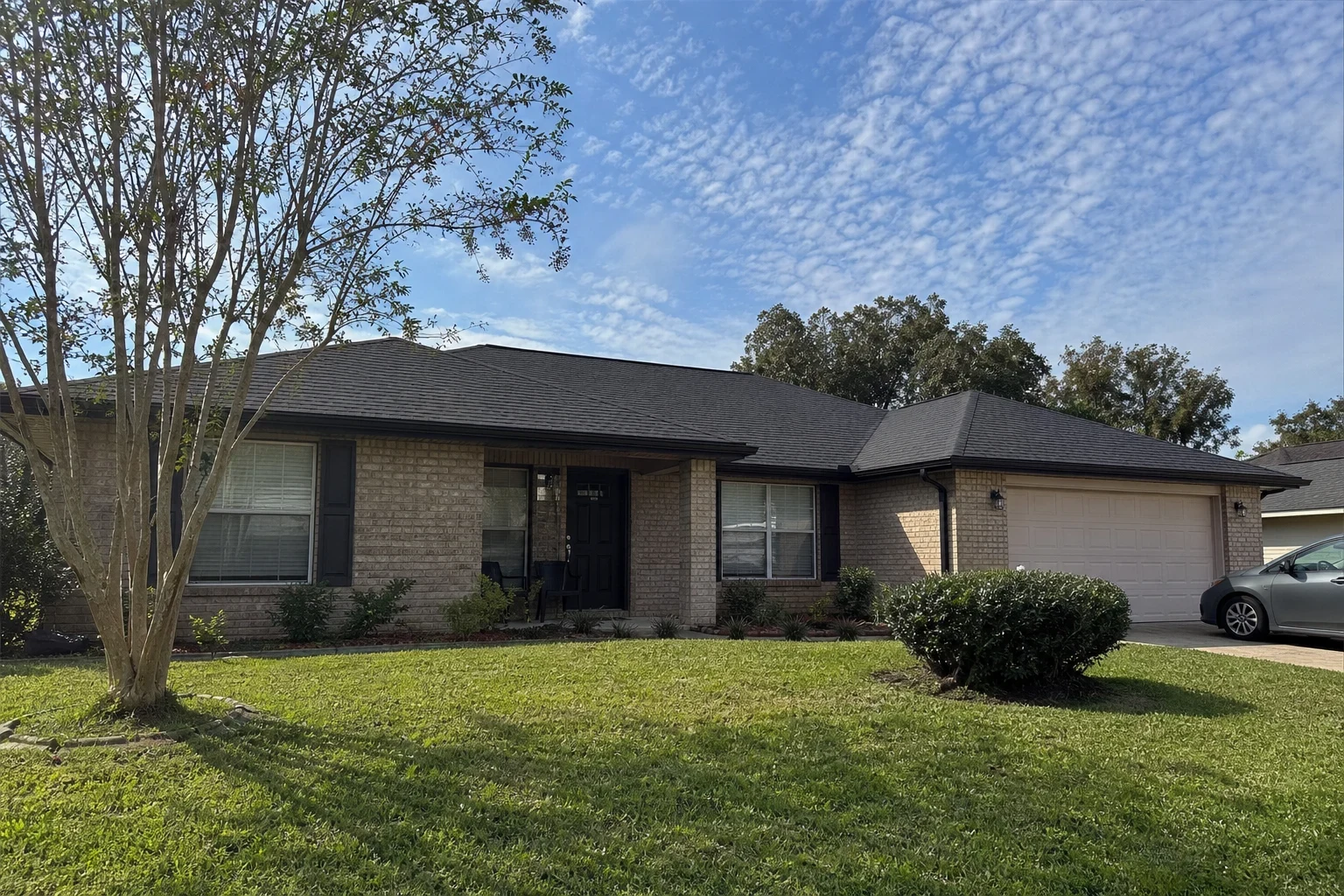
Find out if your roof really needs replacing
We'll look over the whole roof, tell you whether it needs a new one or just some repair, and put the numbers in writing. The estimate is free, with no obligation.